Government
Neighbors, long hours, $175: who runs Fayette County's polls
The people checking IDs at Fayette County Library or the Tyrone Community Room make $12.50 an hour and can be as young as 16.
By Staff · October 20, 2026
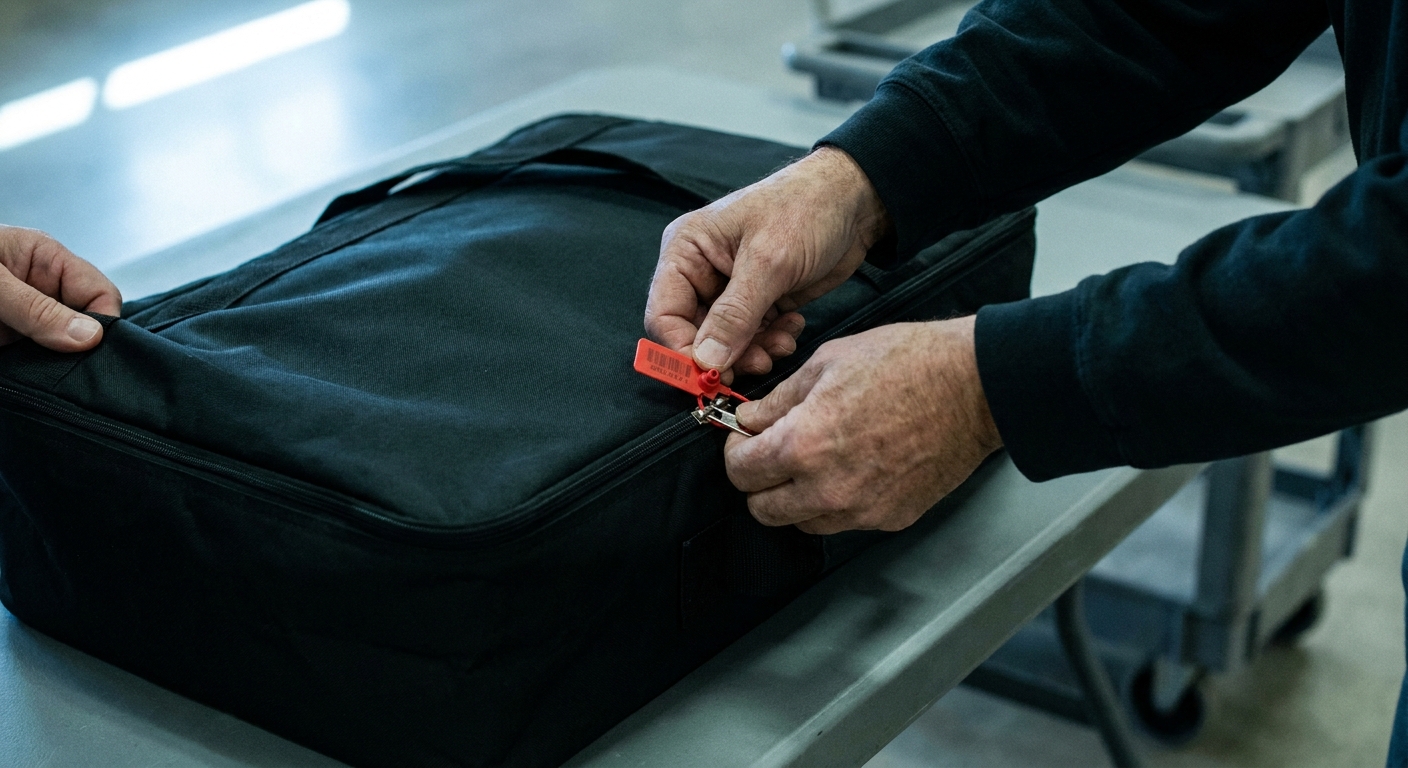
Kristin Beall Thomas will be checking IDs at a poll table this election — one county over in Fulton, where she signed up for the 2026 general election after deciding she could no longer trust someone else to safeguard the vote. The neighbor checking your ID at the Fayette County Library or the Tyrone Community Room is the same kind of person, working the same kind of long, low-paid day: a 14-hour minimum Election Day for $175, plus $40 in mandatory training pay.
"I signed up to be a poll worker after [Trump] weaponized the DOJ and seized Fulton county ballots," Thomas said. "I also worry about our GA election board's integrity so this was a way I could actively participate in preserving safe and fair elections in my state."
The search Thomas is describing came Jan. 28, 2026, when federal agents took more than 650 boxes of ballots and election records from Fulton County's Elections Hub and Operations Center under a federal judge-authorized criminal search warrant. As of early October 2026, it had produced no indictments, no arrests and no publicly disclosed new information about the 2020 election; the seized materials remain under federal control. Robb Pitts, chair of the Fulton County Board of Commissioners, framed the stakes bluntly: "I can no longer, as chair of this board, satisfy not only the citizens of Atlanta but the citizens of the world that those ballots are still secure."
Who signs up, and for what
Fayette County's entry-level poll clerks earn $175 for Election Day, plus $40 for the mandatory training; assistant poll managers earn $215 and poll managers earn $280, each with the same $40 training payment. The county pays by direct deposit roughly three to four weeks after Election Day.
Spread across a 14-hour minimum, the entry clerk's $175 works out to $12.50 an hour. That's the whole bargain: a long day for about minimum wage, and yet the county's tables still get staffed.
The bar to serving is low and local. Poll workers must be at least 16, able to read, write and speak English, and live in — or be employed by — the county where they are appointed; they may not be a candidate in that election, or a parent, spouse, child, sibling or in-law of a candidate in the precinct. In Fayette County, that means the person checking your ID at the library, the M.T. Allen Library in Peachtree City, or the Tyrone Community Room is drawn from the same pool of retirees, school staff and church folks you see at the grocery store — a pool Brieanna Garrett, Fayette County's director of elections and voter registration, has to fill and train every cycle.
What the training guarantees
Fayette County requires every poll worker to complete county-provided training before each election, regardless of prior experience; no one serves without that class. Thomas was struck by what the training demands: "I was amazed at the detail of our training (4 hours, 2, 200+ page manuals, & a test) — everyone should see all of the checks and balances in place to not only have secure elections but to make sure every vote is counted."
Fayette's own posted materials give two answers on how long the training lasts — four hours on the county's poll-worker information page, two hours in its FAQ — and don't say which is current. The state sets no minimum: the Secretary of State provides the training manual and videos, and each county sets its own schedule and duration. Newton County, for instance, describes its required training as about two to three hours.
The oath doesn't vary by county. Georgia poll officers must take and subscribe to the required oaths in duplicate, administered through the county, before performing any duties at an election. Garrett names the standard her office serves under: "I look forward to working with our new Board members as we continue building a strong, collaborative Board of Elections. Healthy discussion and different perspectives are an important part of the process, but at the end of the day, we all share the same responsibility: to administer elections professionally, transparently, and in a nonpartisan manner for every voter in Fayette County."
For the voter at the Tyrone Community Room or the library, that means the clerk who takes your ID has sat through Fayette County's required training and sworn the poll officer's oath in duplicate before touching your ballot. In Fulton, Thomas studied two 200-plus-page manuals and passed a test before her first shift.
The sealed, witnessed handoff
After the polls close, the poll manager and two sworn witnesses immediately begin the closing procedure for each ballot scanner. State Election Board rules then require the poll manager and two sworn witnesses to remove the paper ballots from the ballot boxes and place them in a durable, portable, secure, sealable container for transport to the election superintendent.
Fayette County's chain of custody is spelled out by name and role: after closing, the poll manager and one assistant manager accompany the ballots and a single memory card from the precinct to the Fayette County Elections office, completing all closing paperwork before leaving. The principle is witnessed and sealed-in-the-room: no one person alone handles the ballots on the way out the door, and the scanner, ballots, memory card and paperwork are all accounted for before the lights go off.
Why neighbors step forward now
Alongside the January Fulton seizure, the Georgia State Election Board in early October 2026 saw its executive director ask federal officials to examine the state's voting machines and prohibit QR-code vote counting, seeking changes just weeks before the Nov. 3 midterm. On Oct. 14, 2026, the Georgia Supreme Court heard arguments over whether Fulton County commissioners may refuse to seat Republican nominees to the county election board.
Against that backdrop, Thomas's decision makes a kind of sense: when you cannot trust someone else to run the booth, you sign up to run it yourself — and accept the long, low-paid day as the price of a clean count. Fayette County's own clerks sit through the same county-required training and take the same oath, one precinct at a time.
Fayette County's general-election early voting runs Oct. 13–30 at four locations — the Fayette County Elections Office at 175 Johnson Avenue in Fayetteville; the Fayette County Library at 1821 Heritage Parkway; the M.T. Allen Memorial Library at 201 Willowbend Road in Peachtree City; and the Tyrone Community Room at 881 Senoia Road in Tyrone — generally 9 a.m. to 7 p.m. weekdays and Saturdays, with Sunday, Oct. 25, voting from noon to 4 p.m.. Any registered Fayette County voter may use any of the four early-voting locations regardless of home precinct; on Election Day, Nov. 3, 2026, you must vote at your assigned precinct.
The path to running your own booth is local. The Fayette County Board of Elections & Voter Registration at 175 Johnson Avenue in Fayetteville — 770-305-5408 — takes poll-worker applications through the county's poll-worker page or the statewide "Secure the Vote" program. The state's "Secure the Vote" site supplies the training videos, the poll-worker manual and links for prospective workers, and directs anyone interested to contact their county election office directly. The pay doesn't draw people to the work; the trust does — as Thomas found, the person across the table is a neighbor who decided the booth was finally worth standing up for.